


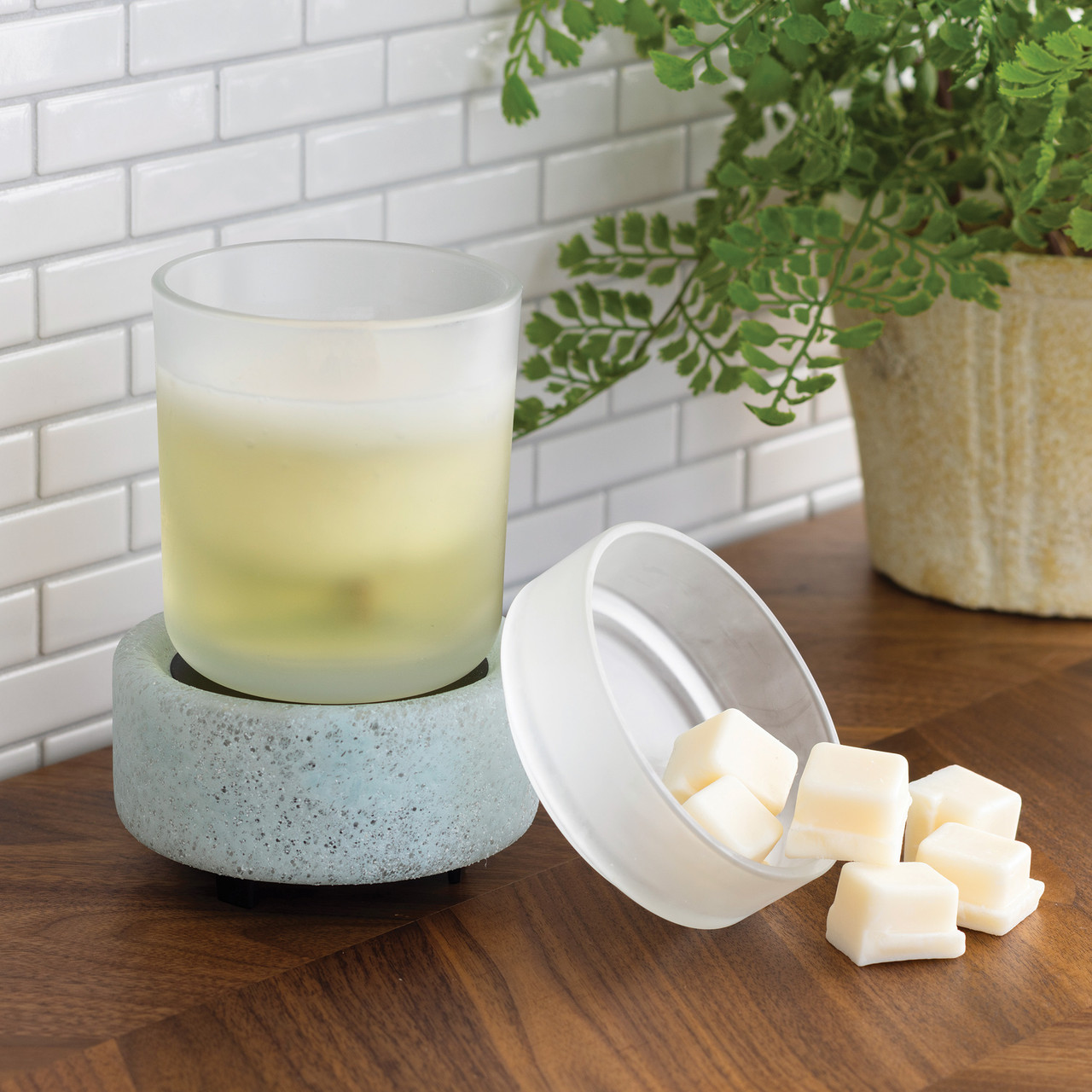
Short Answer: Usually no. Most dorms and student apartments prohibit open flames, including candles and incense, due to fire risk and building safety codes. For anyone asking “can you light candles in student accommodation?”, the guidance is typically the same across campuses. That doesn’t mean you have to give up cozy ambience or great fragrance. Below, see why candles are commonly banned, how to confirm your housing rules, and residence-friendly alternatives like candle warmers and electric wax melters that let you enjoy scent without flames.
Why Many Student Residences Ban Candles
Open flames are a leading cause of dorm fires. Frequent issues include unattended candles,
placement near bedding or curtains, and relighting after the wick has mushroomed or the
container overheats. Even a small tea light can ignite soft furnishings quickly, and smoke can
set off alarms and sprinklers in seconds. If you’re wondering are tealights allowed in student
flats, the answer is almost always no because tea lights are still open flames.
Universities and housing providers must meet strict fire-safety requirements. Buildings often
have sensitive smoke detectors and sprinkler systems, and policies mandate immediate
evacuation during any alarm. Activities that increase the risk of false alarms or actual fires are
restricted—open-flame candles are at the top of that list. This is why when people ask are
candles allowed in student halls or are candles allowed in private student halls, most housing
teams will point to those same safety standards.
Violations can carry real consequences. Students may face fines, confiscation of prohibited
items, conduct referrals, and liability for damages. If a candle triggers a sprinkler or causes a
fire, costs for property repair, water cleanup, and temporary relocation may be charged to the
responsible party, in addition to disciplinary action. For anyone still asking can you light candles in student accommodation?, consider these potential penalties before striking a match.
Understanding the Rules: What’s Typically Allowed vs. Prohibited
Policies usually separate open flames from flameless options. Lit candles are almost always
banned. Some residences allow unlit decorative candles as decor, though they may be
discouraged or subject to inspection. Wax or gel melts are permitted only when used with approved electric warmers—never with a flame-based burner. So if you’re checking are candles
allowed in student halls or are tealights allowed in student flats, look carefully for language thatdistinguishes open flame from electric devices.
Housing contracts, residence hall handbooks, and RA guidance often spell out scented product rules. Many ban candles and incense but allow flameless alternatives such as candle warmers, electric wax melters, plug-in diffusers, and LED candles. Some halls also restrict aerosols or strong scents to protect residents with sensitivities; be aware of any scent-free floor or community guidelines. This is equally true when asking are candles allowed in private student halls, as private providers commonly mirror campus safety rules.
To confirm your situation, review your lease and residence handbook, check posted lists of
prohibited items, and ask your Resident Assistant or community director. If anything is unclear,
email housing for written clarification. Keep that email or policy citation for inspections or move-in checks. A quick message can clarify these policies before move-in.
Safer Ways to Enjoy Fragrance and Ambience in Dorms
Electric options provide warmth and glow without the hazards of an open flame. Candle
warmers heat jar candles from the bottom or top to release fragrance without burning a wick.
Electric wax melters use a heated dish for wax melts or tarts. Flameless LED candles create
candlelight ambience, often with timers and realistic flicker, without smoke or soot.
Other non-flame scent methods can work well in small spaces:
- Essential oil diffusers: Choose water-based ultrasonic models and use light, intermittent settings to avoid overwhelming roommates.
- Reed diffusers: Offer a steady, low-maintenance scent; use fewer reeds and place away from vents to keep intensity down.
- Scented sachets: Provide subtle fragrance for drawers and closets and are typically allowed.
Follow best practices for electric devices in shared spaces:
- Place warmers and diffusers on a stable, heat-resistant surface, several inches from bedding, curtains, or paper.
- Use built-in timers or smart plugs to avoid all-day operation, and unplug when leaving the room.
- Avoid daisy-chaining power strips, and verify your device’s wattage fits outlet and surge protector ratings.
- Keep cords tidy to prevent tripping, and only use approved wax or oils per the manufacturer’s instructions.
Practical Tips: If You Need a Candle for Religious, Cultural, or Special Occasions
If an open flame is essential for a religious, cultural, or memorial observance, request an
accommodation in advance. Contact your housing office or residence life and, if available, your
campus religious or spiritual life center. Share details such as date, duration, location, safety
plan, and any documentation from a faith leader or student organization. Ask for written
permission that specifies conditions and any required supervision. This route applies in both
university-operated buildings and when you’re asking are candles allowed in private student
halls.
Consider alternatives that respect both tradition and safety. Many campuses permit electric
candles in rooms or can reserve a supervised communal space where a real flame may be used
under staff oversight and near firefighting equipment. For events, ask about designated rooms, fire extinguisher access, and flame-permit procedures.
If you receive permission to use a candle, follow a strict safety checklist:
- Keep the candle in sight at all times on a nonflammable, level surface with a wide heat-safe base.
- Maintain a 12-inch clear radius around the flame; secure hair and loose clothing.
- Trim the wick to about ¼ inch before lighting, avoid drafts, and never move a lit candle.
- Have a Class ABC fire extinguisher nearby and know how to use it; fully extinguish with no glowing ember or smoke.
- Allow the candle and container to cool completely before leaving or storing, and follow any additional housing conditions.
When in doubt, ask your housing team directly: can you light candles in student
accommodation?, are candles allowed in student halls, are tealights allowed in student flats,
and are candles allowed in private student halls. Clear answers in writing will help you stay safe
and policy-compliant while keeping your space comfortable and inviting.